
The role of social media in the internationalization of small and medium-sized enterprises
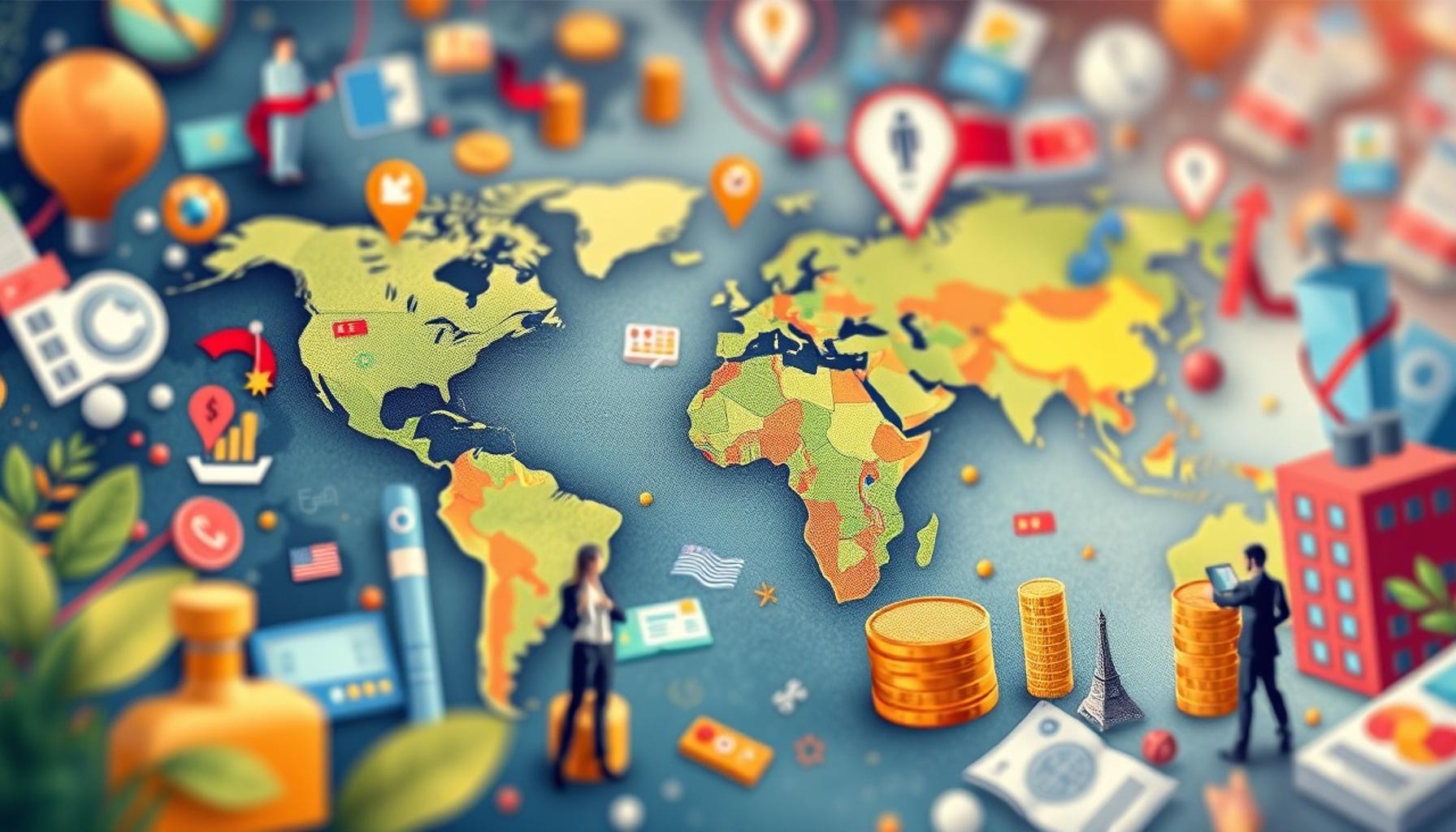
The Power of Social Media for SMEs
In an increasingly interconnected world, social media has emerged as a pivotal tool for businesses, particularly for small and medium-sized enterprises (SMEs). As these companies seek to extend their reach beyond local markets, harnessing social platforms offers a transformative opportunity to amplify their internationalization initiatives.
Social media provides SMEs with distinct advantages, making it an integral part of modern business strategy:
- Accessibility: Social media platforms are often low-cost or free to use, allowing SMEs to cost-effectively reach a global audience. Unlike traditional marketing methods that can involve significant expenses, social media eliminates barriers to entry for smaller businesses, allowing them to showcase their products and services to potential customers worldwide.
- Engagement: The interactive nature of social media enables companies to communicate directly with customers. This two-way communication fosters real-time feedback, helping businesses to adjust their offerings based on consumer preferences. For instance, an SME can post a question on Twitter about product features and receive immediate responses, which can inform future product development.
- Brand Awareness: A strategic social media presence can greatly enhance brand recognition on an international scale. By producing engaging content that resonates with diverse audiences, SMEs can create a loyal customer base that spans across different countries. This is especially beneficial as consumers are increasingly supporting brands that they feel a connection with.
Through the implementation of targeted marketing campaigns and the creation of compelling content, SMEs can effectively expand their market reach. Here are some practical examples:
- A local artisan can utilize Instagram’s visual focus to sell handmade products to customers in Europe, effectively showcasing their craft through high-quality images and captivating stories.
- A tech startup can leverage LinkedIn to connect with potential partners and clients globally, sharing insights about industry trends and engaging in discussions that position them as thought leaders in their field.
- A food business can use platforms like Facebook and TikTok to showcase its unique offerings, perhaps through creative cooking videos or behind-the-scenes content that captures the essence of their culinary expertise.
As the digital landscape continues to evolve, understanding social media’s critical role in internationalization is essential for SMEs. By embracing these platforms, businesses can navigate new markets and foster relationships that transcend borders. This adaptability not only supports growth but can also lead to innovative collaborations and partnerships that may have been previously inaccessible.
In conclusion, SMEs that leverage social media effectively are better positioned to thrive in an increasingly globalized economy. By recognizing the power of these platforms, businesses can not only increase their reach but also cultivate a robust international presence that speaks to diverse audiences worldwide.
DON’T MISS OUT: Click here to uncover the secrets
Leveraging Social Media for Market Expansion
The shift towards a digital-centric approach has redefined how small and medium-sized enterprises (SMEs) engage with global markets. Social media not only allows SMEs to market their products but also enables them to establish a global presence without the substantial financial burden typical of traditional marketing channels. Understanding how these platforms facilitate internationalization is crucial for any SME aspiring to broaden its horizons.
One of the standout benefits of social media is its ability to provide valuable insights into international consumer behavior. By analyzing engagement metrics, brands can determine which products resonate most with audiences in different countries. For example, an SME could utilize Facebook’s analytics tool to observe which of their posts receive the most interaction from users in Canada versus those in Australia. Such insights can guide product adjustments or targeted campaigns that align better with the preferences of international markets.
Additionally, social media fosters strong community development beyond geographical constraints. By participating in niche groups and forums, SMEs can connect with potential customers and partners across the globe. For instance, a small clothing brand might join international fashion groups on platforms like Instagram or Pinterest, building relationships with influencers and fashion enthusiasts who can help elevate their brand visibility. This can lead to collaborative marketing efforts or even partnerships that would be challenging to establish without a robust social media strategy.
Moreover, the storytelling aspect of social media allows SMEs to convey their brand narrative effectively. By sharing their unique story, values, and mission, businesses can resonate with customers on a deeper level. For example, a family-owned jam business might use Instagram Stories to showcase their artisanal production process and the local ingredients sourced from farmers in their region. This transparency can create a meaningful connection with consumers worldwide who prioritize sustainability and authenticity.
As they expand their reach, SMEs need to consider how to navigate language and cultural differences. Here are some strategies to enhance their social media presence internationally:
- Localization: Tailoring content to local languages and cultures can significantly increase engagement. This may involve translating posts or creating localized campaigns that consider cultural nuances.
- Utilizing Influencers: Collaborating with local influencers who understand the intricacies of their market can help SMEs build trust and quickly gain traction among new audiences.
- Regularly Engaging: Consistent interaction with followers through comments and direct messages will foster loyalty and community among international customers.
In summary, the internationalization of SMEs through social media is not just about expanding market presence; it is also about building relationships, understanding consumer needs, and adapting to diverse cultural landscapes. As these businesses embrace the digital space, they are better equipped to thrive in a competitive global environment.
DISCOVER MORE: Click here to learn how data analysis can unlock new markets
Building Brand Awareness Through Social Media
Beyond mere market expansion, social media plays a pivotal role in enhancing brand awareness for small and medium-sized enterprises (SMEs) on an international scale. With billions of active users worldwide, platforms such as Facebook, Instagram, Twitter, and LinkedIn provide SMEs with unprecedented opportunities to showcase their offerings to a diverse audience. Understanding how to effectively utilize these platforms can dramatically increase a business’s visibility and consumer recognition across borders.
One of the core advantages of social media is its ability to create a viral effect. Content that resonates with users can quickly spread, leading to exponential organic reach. For example, a small artisan chocolate brand might post a mouth-watering video of their chocolate-making process. If this video captures the audience’s attention, it could be shared extensively, reaching potential customers far beyond the brand’s immediate following. This virality not only boosts brand recognition but also positions the SME as a reputable player in the global market.
Furthermore, user-generated content (UGC) serves as a powerful tool in building brand credibility. When satisfied customers share their experiences or testimonials on their social media, it acts as authentic endorsements that can influence potential buyers. For instance, a medium-sized tech startup can encourage its users to share their success stories with the company’s software. Featuring these stories on the startup’s own social media pages not only showcases the product’s effectiveness but also builds community trust among international audiences who are more likely to purchase based on peer recommendations.
Utilizing targeted advertising capabilities is another strategy SMEs can adopt through social media. Platforms like Instagram and Facebook allow businesses to create targeted ads that reach specific demographics based on location, age, interests, and more. This means that an SME looking to enter the European market can focus its advertising efforts on users who have shown interest in similar products or service categories. For example, a U.S.-based fitness apparel brand can target ads at fitness enthusiasts in Germany, using region-specific imagery and language that resonates with local customers.
Additionally, social media analytics provide SMEs with crucial data to fine-tune their branding strategies. By measuring engagement rates, click-through rates, and audience demographics, businesses can adjust their content to better align with what drives interest overseas. For instance, a small organic skincare company can analyze which products are gaining traction in various regions and pivot its marketing strategy accordingly to focus on the most popular items. In this way, social media serves not only as a promotional tool but also as a research platform.
Ultimately, establishing a strong brand presence through social media hinges on consistency and authenticity. To engage effectively on an international stage, SMEs must remain committed to delivering genuine content that reflects their core values and mission. Here are several strategies to maximize brand awareness:
- Content Consistency: Regularly posting fresh content helps keep the audience engaged and informed about new products, promotions, or company news.
- Interactive Engagement: Encouraging followers to participate in polls or giveaways can foster a sense of community and increase user interaction.
- Brand Voice: Developing a uniform brand voice that resonates across cultures can enhance recognition and familiarity among international audiences.
By effectively harnessing the power of social media for branding, SMEs position themselves not only as competitors but as noteworthy contributors to the global marketplace. As these organizations strategically build their online reputation, they pave the way for sustainable growth and long-term success in international markets.
DIVE DEEPER: Click here to learn more
Conclusion
In summary, social media is an indispensable tool for the internationalization of small and medium-sized enterprises (SMEs), providing them with innovative ways to connect with global audiences and enhance their market presence. The platform’s ability to create engaging, shareable content empowers SMEs to amplify their brand message beyond local boundaries. With billions of users online, the chance for a single post to go viral can transform a small business into an internationally recognized brand practically overnight.
Moreover, social media facilitates brand credibility through user-generated content, where satisfied customers become advocates who influence potential buyers. This organic promotion, combined with targeted advertising capabilities, allows SMEs to tailor their marketing efforts based on diverse demographics, ensuring that their message resonates with audiences around the world.
Furthermore, the wealth of analytics provided by social media platforms enables SMEs to refine their strategies in real-time, aligning their offerings with the preferences of international markets. By prioritizing authenticity and consistent engagement, these businesses can cultivate lasting relationships with customers, transforming casual followers into loyal advocates.
As we forge ahead in a digitally-driven global marketplace, it is clear that SMEs must embrace social media not just as a promotional tool, but as an integral part of their international strategy. By leveraging the unique advantages social media presents, SMEs can unlock opportunities for growth, create meaningful connections, and position themselves for enduring success on the world stage.