
Artificial Intelligence and Automation: The Role of Technology in the Future of E-Commerce
The Urgency of Adaptation in E-Commerce
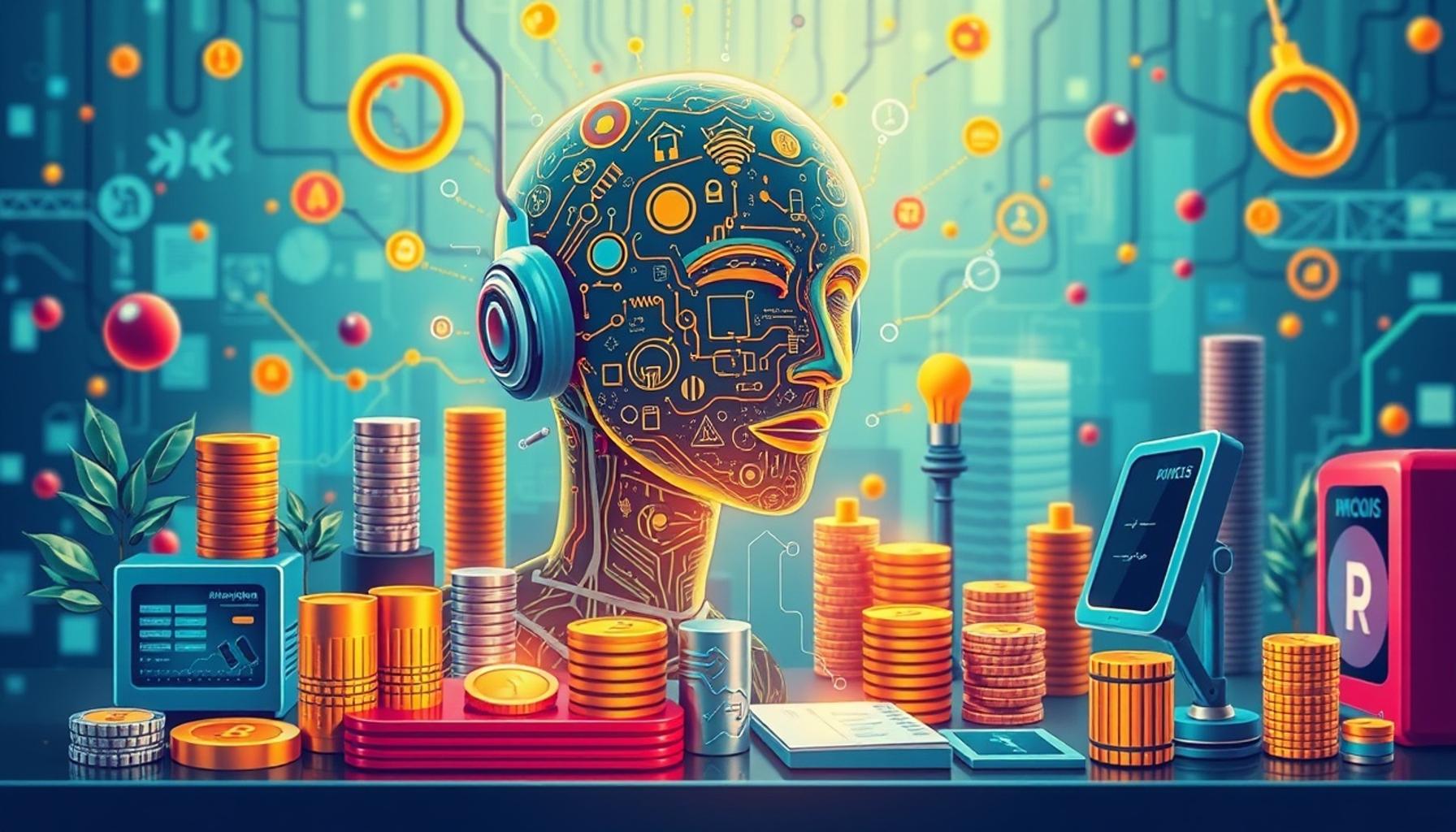
In today’s fast-paced digital economy, adaptation is not just advantageous; it is vital for survival. Businesses that can leverage the latest technological advancements, particularly in the realms of Artificial Intelligence (AI) and automation, stand to gain a significant competitive edge. These innovations are not transient novelties; they represent fundamental shifts in how we approach online shopping and retail marketing.
Enhancing the Shopping Experience
One of the profound impacts of AI is its ability to create personalized shopping experiences. Through data analysis, AI can give retailers insights into consumer behavior, preferences, and purchase history. For example, if a customer frequently buys gaming accessories, AI can recommend new products or bundles that are likely to interest them based on similar consumers’ buying habits. This tailored approach not only improves the shopping experience but also increases the likelihood of sales conversion.
The Role of Chatbots in Customer Engagement
Furthermore, chatbots and automated customer service systems are reshaping the customer service landscape. These tools can operate around the clock, providing instant responses to inquiries, which enhances customer engagement and satisfaction. Imagine a busy shopper browsing an online store at midnight; they can have their questions answered immediately without waiting for human assistance. Brands like Sephora use chatbots to guide users through product selections, offering personalized recommendations that elevate the shopping experience.
Optimizing Supply Chains with AI
Beyond customer interaction, AI also plays a crucial role in inventory management. Algorithms can analyze sales data and forecast demand, enabling businesses to maintain optimal stock levels. This capability helps in reducing waste and managing supply chains more efficiently. For instance, companies like Amazon utilize sophisticated AI tools to predict which products will be in demand and when, ensuring that they are stocked appropriately to meet customer needs without over-purchasing and causing excess inventory.
Embracing Technology for Future Success
The integration of these advanced technologies demonstrates how technology enhances efficiency and customer satisfaction in e-commerce. In an industry where consumer preferences can shift overnight, utilizing AI and automation is crucial for businesses aiming to remain competitive and relevant.
As we delve deeper into the intersection of AI, automation, and e-commerce, we unlock a future filled with opportunities for both retailers and consumers. Understanding these innovations empowers all stakeholders to thrive in a rapidly evolving digital landscape, making it essential for businesses to invest in these technologies to secure their positions in the marketplace.
DISCOVER MORE: Click here to unlock the secrets of free clothes on Shein
Transforming Marketing Strategies Through AI
The influence of Artificial Intelligence extends far beyond enhancing customer experiences and streamlining supply chains; it is fundamentally transforming marketing strategies, especially within the e-commerce sector. Companies can leverage AI to analyze enormous amounts of data derived from customer interactions, feedback, and behavioral patterns. This data-rich approach enables businesses to craft highly targeted marketing campaigns aimed at specific demographics. By identifying what strategies resonate with customers and which ones fall flat, companies can refine their approaches, leading to increased engagement and higher conversion rates.
Data-Driven Decision Making
At the core of AI’s contribution to marketing lies its unparalleled ability to process and analyze data more quickly and accurately than traditional methods. For instance, sophisticated AI tools can assess various customer metrics such as demographics, purchasing history, and even online engagement, including social media interactions. Companies like Netflix and Amazon exemplify the successful application of these algorithms, using them to suggest content or products finely tuned to individual preferences. For example, Amazon’s recommendation engine analyzes purchasing behavior to provide personalized product suggestions, significantly influencing shoppers’ decisions and enhancing user satisfaction.
Predictive Analytics for Targeted Outreach
Furthermore, predictive analytics serves as a powerful application of AI in e-commerce marketing. By using statistical techniques and machine learning algorithms, businesses can not only gain insights into current consumer trends but also forecast future buying behaviors. The advantages of predictive analytics are substantial and include:
- Optimized Campaign Timing: Understanding the optimal times when customers are inclined to make purchases enables businesses to strategically time their promotions and advertisements for maximum impact.
- Personalized Marketing Messages: Crafting messages that align with predicted consumer interests results in heightened engagement, as customers are more inclined to connect with tailored communications.
- Increased ROI: By targeting marketing efforts towards likely converters, businesses can experience enhanced returns on their investments, making every marketing dollar work harder.
Automation of Marketing Processes
In addition to data-driven insights, automation represents another pivotal aspect of elevating e-commerce marketing strategies. AI-driven tools can handle repetitive tasks such as managing email campaigns, scheduling social media posts, and even executing ad bidding processes. For instance, platforms like HubSpot and Mailchimp offer automation features that can segment audiences based on user behavior, sending targeted emails with personalized content. This automation not only saves companies significant time but also ensures customers receive consistent and relevant communication, ultimately improving their overall shopping experience. Furthermore, by streamlining processes, businesses can focus more on strategic planning rather than on everyday operational tasks.
Shaping the Future of Customer Insights
As e-commerce continues to evolve, the integration of AI and automation will further clarify how businesses approach marketing. By harnessing these technologies, retailers can effectively adapt to changing consumer dynamics and stay ahead of competitors. The advancements in AI also play a critical role in shaping logistics and operational efficiency, cultivating a retail environment that is more responsive to customer needs and preferences. Through continued innovation, AI will help reshape the landscape of e-commerce, leading to enhanced customer experiences and sustainable business growth.
DISCOVER MORE: Click here to dive deeper
Enhancing Inventory Management and Supply Chain Efficiency
Another critical area where Artificial Intelligence and automation are revolutionizing e-commerce is in inventory management and supply chain logistics. These technologies provide retailers with innovative tools to manage stock levels, predict product demand, and optimize reordering processes. By utilizing AI algorithms, businesses can analyze sales patterns, seasonal trends, and even external factors such as market fluctuations and economic indicators, ensuring they maintain just the right amount of inventory at all times.
Smart Inventory Management
An example of smart inventory management in action can be seen in companies like Walmart, which employs AI to monitor inventory levels in real-time. This system alerts managers when stock is running low or when items are underperforming. By maintaining optimal inventory levels, businesses can not only reduce costs associated with excess stock but also minimize the risk of stockouts that lead to lost sales. AI-driven tools also enable businesses to automate reorders, ensuring that products are replenished before they run out, thus enhancing customer satisfaction.
Supply Chain Optimization
Automation plays a vital role in streamlining supply chain operations, making them more efficient and responsive. AI solutions can analyze data from various sources, including supplier performance, transportation routes, and inventory locations, to recommend optimal pathways for product delivery. For instance, companies like Dell use AI to optimize their supply chains, cut down on delivery times, and reduce costs. AI can even assess potential risks in the supply chain, such as disruptions due to weather events, allowing businesses to create contingency plans proactively.
Real-Time Monitoring and Predictive Maintenance
Furthermore, real-time monitoring facilitated by AI enables businesses to keep a close eye on their operations. Sensors and IoT (Internet of Things) devices can track everything from temperature conditions in warehouses to the operational status of machines. In the case of manufacturing e-commerce products, predictive maintenance powered by AI can forecast equipment failures before they occur, ensuring that there is minimal downtime and production disruption. Companies like General Electric have successfully implemented predictive maintenance strategies, significantly enhancing their operational efficiency.
AI-Driven Customer Service Solutions
As e-commerce grows, providing exceptional customer service becomes more essential and challenging. AI-powered chatbots and virtual assistants are increasingly being utilized to address customer inquiries and provide support, ensuring that consumers have a seamless experience. These intelligent systems can handle common queries, allowing human representatives to focus on more complex concerns that require personal attention. Platforms like Zendesk offer AI solutions that filter and escalate customer interactions based on urgency, ensuring that no issue goes unresolved.
Personalized Customer Engagement
Moreover, AI’s ability to analyze customer interactions can facilitate highly personalized engagement strategies. For example, if a customer frequently inquires about certain products or offerings, the system can track these preferences and initiate contact with tailored recommendations or promotions. By understanding customers at a more profound level, businesses can foster loyalty and trust, ultimately leading to increased sales and long-term relationships. Companies like Sephora use AI chatbots to guide customers through their purchasing journey, offering personalized product advice and tips based on past interactions.
In summary, the integration of AI and automation across various aspects of e-commerce, from inventory management to customer service, will not only enhance operational efficiency but also create more meaningful connections between brands and consumers, ultimately shaping the future of the e-commerce landscape.
DISCOVER MORE: Click here to delve into the future of data analysis
Conclusion
In conclusion, the rise of Artificial Intelligence and automation is undeniably transforming the e-commerce landscape, ushering in a new era defined by innovation and efficiency. As we have explored, these technologies not only simplify complex processes, such as inventory management and customer service, but also empower businesses to make data-driven decisions that enhance operational effectiveness. The ability to anticipate customer needs through personalization and to optimize supply chain logistics demonstrates how AI can lead to a more responsive and satisfying shopping experience.
Beyond improving internal processes, the integration of these technologies fosters deeper connections between brands and consumers. By utilizing tools like AI chatbots and personalized engagement strategies, businesses can create a seamless experience that builds customer loyalty and drives sales. As companies like Walmart and Sephora exemplify, leveraging AI not only positions businesses to stay competitive but also allows them to adapt to ever-changing market dynamics swiftly.
Looking ahead, it is crucial for e-commerce players to embrace these advancements and continuously innovate. The future will likely see even more sophisticated applications of AI and automation, making them essential components for success in the digital marketplace. Ultimately, those who harness the power of technology will not only thrive but also create a more personalized and efficient shopping experience for consumers in this rapidly evolving landscape.