Essential Care for Senior Pets: How to Ensure a Healthy and Happy Life
Understanding the Needs of Senior Pets
Caring for senior pets is a responsibility that many pet owners are unprepared for, yet it is incredibly rewarding. As beloved companions age, their physical and emotional requirements change significantly, demanding a thoughtful approach to their care. Adaptations are essential in ensuring a comfortable and fulfilling life for our aging furry friends.
Nutrition
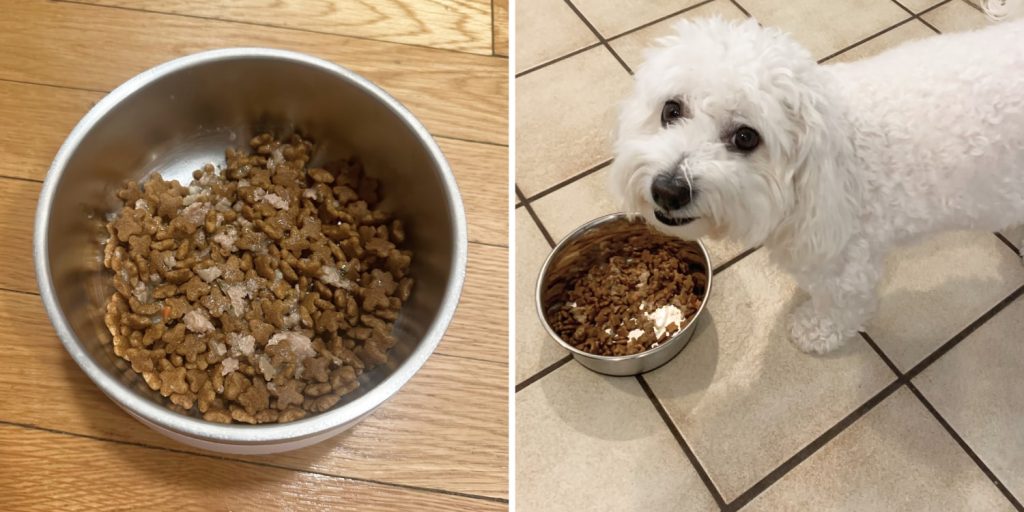
Nutrition is one of the foundational aspects of senior pet care. Older pets often face a decline in metabolism, which means they require high-quality diets tailored to their aging bodies. These diets typically have lower calories and higher fiber content to support digestion without promoting weight gain. For instance, brands such as Hill’s Science Diet and Royal Canin provide specialty formulas specifically designed for senior dogs and cats that contain the right balance of nutrients.
Additionally, some senior pets may develop health issues that require special dietary considerations. For example, pets with kidney problems might benefit from low-protein diets, while those with arthritis may need additional supplements like glucosamine and omega-3 fatty acids to support joint health.
Exercise
Another essential component of senior pet care is exercise. Although older pets may have reduced energy levels, a gentle and consistent exercise routine is crucial for maintaining a healthy weight and promoting overall well-being. Shorter, frequent walks can be more beneficial than long hikes. Engaging in light play, such as tug-of-war or gentle fetch, can provide both physical activity and mental stimulation. Activities like swimming can be particularly beneficial for older dogs, as it is low-impact and easy on their joints.
Veterinary Check-ups
Regular veterinary check-ups are vital to monitor the health of senior pets. A common recommendation is to schedule visits at least twice a year, as older animals are more susceptible to chronic health issues. Routine screenings can detect problems such as arthritis, dental disease, and signs of cognitive dysfunction early on. Many veterinary clinics in the U.S. now offer senior wellness plans, which can be an effective way to manage health care needs while providing peace of mind for pet owners.
Creating a Supportive Environment
Beyond physical health, emotional well-being plays a critical role in the happiness of senior pets. Ensuring that they feel loved and secure can lead to significant improvements in their quality of life. For instance, providing comfortable bedding is essential, especially for pets with joint pain. Orthopedic beds can offer the support they need, while easy access to their beds can encourage them to rest adequately.
Additionally, engaging their minds is equally important. Incorporating puzzle toys or interactive games can help stave off cognitive decline, keeping their minds active and alert. Simple objects like treat-dispensing toys can offer both mental exercise and a tasty reward.
Establishing a consistent routine is another way to help senior pets thrive. Regular feeding times, walks, and play sessions create a comforting structure, reducing anxiety and stress.
In this guide, we will delve into the essential aspects of senior pet care, examining how to ensure their health and happiness as they transition into their golden years. By understanding the challenges they face and adapting to their evolving needs, you can enhance their quality of life, creating a more fulfilling experience for both you and your cherished companion.
DISCOVER MORE: Click here for essential tips
Essential Elements of Senior Pet Care
Caring for senior pets requires a multifaceted approach, as their physical, emotional, and environmental needs must be addressed comprehensively. It’s not enough to simply feed and walk them; understanding their unique challenges and providing an all-encompassing support system is vital to ensuring a long, healthy, and happy life.
Tailored Nutrition for Aging Pets
Nutrition is paramount when it comes to ensuring a healthy and happy life for senior pets. As dogs and cats age, their nutritional requirements change. To support their declining metabolism, it is crucial to offer them diets that cater specifically to older animals. Here are some dietary considerations for senior pets:
- Lower Calorie Diets: These prevent obesity and the complications that arise from being overweight, which can exacerbate joint and heart issues.
- Increased Fiber Content: Higher fiber helps support healthy digestion, aiding in the prevention of constipation, which older pets are more prone to.
- Specific Nutritional Needs: For pets with chronic conditions, such as diabetes or kidney disease, specialized diets formulated by veterinarians may be necessary. These diets typically contain reduced quantities of certain nutrients to help manage their health issues.
Seeking advice from a veterinarian can help you choose the most appropriate food for your senior pet, as they can provide tailored recommendations based on individual health needs.
Exercise: Gentle Yet Consistent
While senior pets may not have the same energy levels as their younger counterparts, exercise is still essential. Keeping them active not only helps maintain a healthy weight but also ensures good cardiovascular health and mental stimulation. Here’s how to adapt exercise routines for aging pets:
- Short, Regular Walks: Instead of one long walk, opt for multiple shorter outings throughout the day. This helps prevent fatigue while ensuring they get the movement they need.
- Playtime Adjustments: Engage your senior pet with light activities such as gentle tug-of-war or fetch, adjusting the intensity to suit their fitness level.
- Water Activities: Swimming is one of the best low-impact exercises for senior dogs. It can relieve pressure on their joints while providing a thorough workout.
Monitoring their reactions during activities is crucial; if they show signs of exhaustion or discomfort, it may be time to adjust their routine.
Health Monitoring and Veterinary Care
Regular veterinary check-ups are essential in managing your senior pet’s health. As pets age, they can develop chronic conditions that require attention. Frequent visits will allow you to stay informed about their health status and proactively address any emerging issues. Consider the following points:
- Biannual Check-ups: Schedule veterinary visits at least twice a year to catch any potential health problems before they escalate.
- Comprehensive Health Screenings: Utilize senior wellness packages at veterinary clinics that often include blood tests, dental evaluations, and screenings for common diseases.
- Cognitive Assessments: Be aware that senior pets are prone to cognitive dysfunction syndrome (CDS). Speak to your veterinarian about behavioral changes that may warrant further evaluation.
Being proactive about your senior pet’s health will not only enhance their life but also give you peace of mind.
In summary, ensuring a healthy and happy life for senior pets encompasses tailored nutrition, gentle exercise, and regular veterinary care. Each aspect is interlinked, and together they create a supportive framework for your aging companion, enabling them to thrive in their golden years.
Essential Nutrition for Senior Pets
As pets age, their nutritional needs change significantly. Senior pets require a tailored diet that addresses their specific health concerns, such as kidney function, weight management, and joint health. Selecting high-quality, nutrient-dense foods that are designed for senior pets can help prevent obesity and maintain optimal health. Furthermore, it’s crucial to keep an eye on portion control to avoid overfeeding, as metabolism slows with age.
Adding supplements, like omega-3 fatty acids, glucosamine, and probiotics, can also provide notable benefits for older pets. These supplements support joint mobility, enhance digestive health, and improve skin and coat condition. Consulting with a veterinarian to customize a diet plan that meets your pet’s individual needs is highly recommended.
Regular Veterinary Care
Routine check-ups become increasingly important as pets age. Regular veterinary visits can help to identify potential health issues early, leading to more effective treatment. During these visits, veterinarians can perform essential health screenings for common senior ailments like arthritis, dental disease, and heart conditions. Early detection is crucial for better management of these issues.
It’s essential to keep your pet’s vaccinations up-to-date, as older pets can be more susceptible to infections. Additionally, discussing any behavior changes with your veterinarian can provide insights into your pet’s well-being. Being proactive about health care not only extends their life but also ensures a higher quality of life.
Physical Activity and Mental Stimulation
Engaging your senior pet in regular physical activity is vital for maintaining their overall health. Tailoring the intensity and duration of exercise to suit their age and ability is crucial. Short, frequent walks can help maintain muscle mass and promote cardiovascular health. However, always observe your pet for signs of fatigue or discomfort.
In addition to physical health, mental stimulation is equally important. Puzzle toys, training games, and interactive play can help keep your senior pet’s mind sharp. Consider incorporating low-impact activities such as swimming or gentle fetch games to ensure that your pet remains active and engaged in their day-to-day life.
By focusing on these key aspects of care, you can help ensure that your senior pet lives a long, fulfilling, and healthy life. Their happiness and well-being depend on your commitment to provide the best care possible.
| Care Aspect | Benefits |
|---|---|
| Nutrition | Supports overall health, weight management, and targets senior-specific needs. |
| Veterinary Care | Early detection of health issues, up-to-date vaccinations, and personalized health plans. |
| Physical Activity | Maintains mobility, increases life expectancy, and improves mood. |
| Mental Stimulation | Enhances cognitive function, prevents depression, and keeps pets engaged. |
DISCOVER: Click here to learn how to help your pet
Emotional Well-being and Environmental Enrichment
Beyond physical health, the emotional well-being of senior pets plays a crucial role in their quality of life. As they age, pets may experience anxiety, depression, or loneliness, particularly if they have lost companions or are less active than before. To create a nurturing environment that addresses these emotional needs, consider the following strategies:
Social Interaction
Regular social interaction is essential for keeping senior pets happy. Engaging with them and allowing them to meet people or other pets can help alleviate feelings of loneliness. Here are a few ways to enhance their social life:
- Playdates: Arrange for your pet to spend time with other friendly, calm animals. Such interactions can stimulate their curiosity and provide social benefits.
- Quality Time: Set aside time daily for one-on-one interaction. Simple activities like gentle petting, brushing, or talking to them can foster a sense of security and companionship.
- Visit Dog Parks: For dogs, visiting dog-friendly parks can be a source of joy. Allow your pet to explore new scents and sights while remaining observant of their comfort level.
Enrichment Activities
Providing mental stimulation through enrichment activities is vital for senior pets. Boredom can lead to behavioral issues and mental decline. Incorporate the following activities into their daily routine:
- Interactive Toys: Puzzle feeder toys that dispense treats encourage problem-solving skills and keep their minds engaged.
- Training Sessions: Reinforce basic commands or teach new tricks to stimulate their brains. Keep the sessions short and positive to maintain enthusiasm.
- Scent Games: Play hide-and-seek with their favorite toys or treats, allowing them to use their sense of smell. This taps into their natural instincts and is particularly enjoyable for dogs.
Comfort and Accessibility
As mobility may decline with age, creating a comfortable and accessible living environment is crucial for senior pets. Addressing where they sleep, eat, and spend their time can significantly impact their happiness and health:
- Soft Bedding: Provide orthopedic beds that offer support to aching joints while ensuring a cozy resting spot for their age.
- Food and Water Accessibility: Elevated feeders can help ease strain on joints during mealtimes, and ensure their water is always within reach.
- Safe Spaces: Create safe areas in your home where they can retreat to feel secure, especially during busy family times or when guests are over.
Recognizing any changing behaviors or preferences is important as well. Pay attention to their body language and adjust environments to suit their comfort. For instance, if a god who previously loved going up the stairs suddenly shows reluctance, consider relocating their favorite resting spot to a more accessible area.
Catering to the emotional and environmental aspects of senior pet care is crucial, as they are intrinsically intertwined with their overall health. By focusing on social interaction, mental enrichment, and physical comfort, guardians can help their senior pets thrive in their golden years, fostering both happiness and vitality.
DISCOVER MORE: Click here for tips on choosing the perfect mate for your pet
Conclusion
In our quest to provide the best for our furry companions, understanding the essential care for senior pets is paramount. As pets enter their golden years, they require a holistic approach that encompasses not just their physical needs but also their emotional well-being and environmental comfort. From offering tailored nutrition and regular veterinary check-ups to ensuring ample social interaction and mental stimulation, each aspect contributes to a fulfilling life for our aging pets.
Regular assessments of their health, both physical and emotional, play a vital role in recognizing and addressing changes that may arise as they age. By incorporating activities that engage their minds and uplifting their spirits, we enable our senior pets to enjoy a quality of life that reflects their loyal companionship.
Moreover, creating a safe and comfortable environment at home, complete with accessible amenities tailored to their changing needs, is essential to enhance their everyday experience. Remember, it’s the small adjustments—like a cozy resting space or interactive enrichment—that make a significant impact on their happiness.
Ultimately, being responsive and attentive to the unique challenges faced by senior pets fosters a deeper bond and encourages them to thrive in their later years. Embracing these essential care strategies transforms not only their life but also enriches our own, making the journey together even more rewarding. As we navigate this stage, let us be the diligent guardians they deserve, ensuring their twilight years are filled with love, comfort, and joy.