Menu

The Influence of Diet on Pets’ Behavior and Well-Being

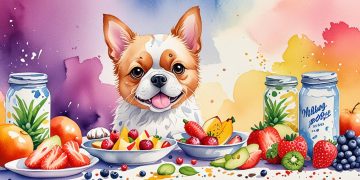
A pet's diet significantly impacts their behavior and well-being. Proper nutrition fosters emotional stability, enhances cognitive function, and prevents health issues. Ingredients like proteins, omega fatty acids, and probiotics can improve mood and reduce anxiety, highlighting the importance of informed dietary choices for happier, healthier pets.

The importance of vaccination: protecting your pet’s health

Vaccination is essential for protecting your pet's health, preventing serious diseases, and ensuring community safety. By following tailored vaccination protocols and consulting with veterinarians, pet owners enhance their companions' quality of life and contribute to public health through herd immunity. Prioritize vaccinations for a happier, healthier pet.

How to Choose the Ideal Pet Food Based on Your Pet’s Age and Lifestyle

Understanding your pet's age and lifestyle is essential for choosing the right food, ensuring their health and happiness. Tailor diets to meet specific nutritional requirements based on life stages and activity levels. Knowledge of ingredient labels empowers informed choices, promoting overall well-being for your beloved companion.

Tips for Creating a Safe and Stimulating Environment for Cats Indoors

Creating a safe and stimulating indoor environment for cats enhances their well-being and prevents boredom. Incorporate engaging toys, vertical spaces, and cozy hideaways, along with cognitive challenges like puzzle feeders and training sessions. Ensure natural light and safe outdoor exploration for a fulfilling feline experience.

The Relationship Between Nutrition and Prevention of Common Diseases in Pets

Understanding pet nutrition is essential for preventing common diseases like obesity and diabetes. By prioritizing high-quality ingredients and tailored diets, pet owners can enhance their pets' health and longevity. Proper nutrition not only combats chronic conditions but also fosters a happier, healthier life for our furry companions.

Personalized Nutrition: How to Adapt Your Pet’s Diet to Specific Needs

Discover the transformative power of personalized pet nutrition, which tailors diets to meet unique needs based on age, breed, health conditions, and activity levels. This thoughtful approach enhances your pet's well-being, promoting a happier and healthier life through optimal nutritional choices and customized meal plans.

Special Diets for Pets with Food Allergies

Food allergies in pets are increasingly common, impacting their health and well-being. Managing these allergies involves special diets, including limited ingredient, novel protein, and hypoallergenic formulas. Working with veterinarians to create tailored meal plans ensures pets receive balanced nutrition while avoiding allergens, promoting a happier, healthier life.

Plant-Based Nutrition: A New Approach to Pet Nutrition

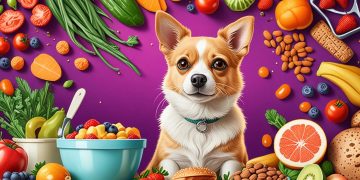
The growing trend of plant-based nutrition for pets emphasizes holistic diets that enhance health and reduce environmental impact. While beneficial for many dogs, cat owners must ensure essential nutrients are met. This approach promotes informed pet ownership and aligns dietary choices with sustainable and ethical living practices.

Trends in Organic Pet Food

The rising trend in organic pet food reflects pet owners' growing focus on health, sustainability, and ingredient transparency. As consumers prioritize nutritious, ethical options, the market adapts with innovative offerings, including personalized diets and plant-based formulas, paving the way for a healthier future for pets.

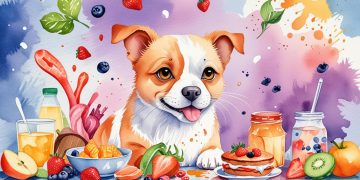
The Importance of Genetic Diversity in Dog Breeding

Genetic diversity in dog breeding is crucial for improving health, vitality, and adaptability in breeds. A diverse gene pool reduces hereditary diseases, enhances temperaments, and strengthens immune systems. Emphasizing genetic variation promotes not only individual dog health but also the overall longevity and resilience of canine populations.