
Animal Companionship and Child Development: How Pets Can Help with Children’s Socialization and Empathy
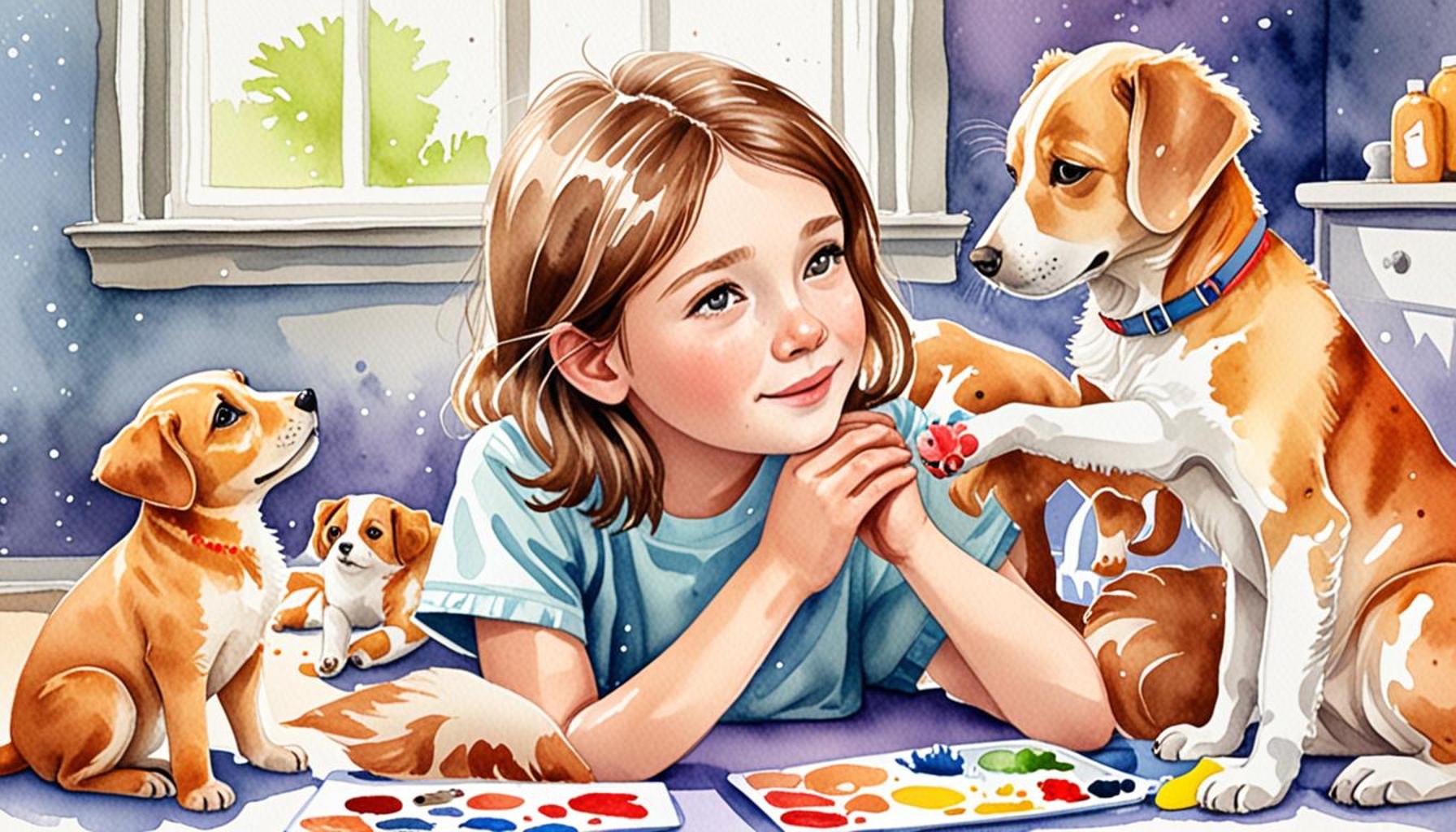
The Impact of Pets on Childhood Development
In the vibrant tapestry of childhood, the presence of pets weaves a unique thread that enhances socialization and empathy. Animal companionship serves as a gateway for children to explore a range of emotions while developing crucial interpersonal skills. The influence of pets transcends mere companionship, significantly shaping children’s overall development and well-being.
Research indicates that pets can play an essential role in molding children’s personalities through a variety of interactive experiences. Here are three key areas in which pets contribute positively:
- Social Skills: Interaction with pets encourages sharing, cooperation, and communication. For example, children often engage in play or grooming activities with their pets, which require them to collaborate and express themselves verbally, fostering an environment of teamwork and connection.
- Emotional Awareness: Caring for an animal helps children to comprehend feelings, both their own and those of others. Through observing their pet’s behaviors, children can recognize signs of happiness or distress. This understanding is crucial as it lays the groundwork for developing empathy towards peers and family members.
- Responsibility: Owning a pet instills lessons of accountability and nurturing behavior. Children learn to set routines for feeding, exercising, and caring for their pets, which teaches them about commitment and the importance of meeting the needs of another living being.
The bond formed between a child and their pet can create a profound sense of security, offering a safe environment for learning about emotions and social interactions. For instance, a child’s ability to articulate their feelings often improves when they interact with a loving animal, as pets can provide unconditional support and understanding. Children often confide in their pets when feeling sad or anxious, which can be particularly beneficial for their emotional well-being.
Furthermore, pets can serve as social catalysts, helping children connect with their peers through shared interests. At parks or pet-related events, children with pets are more likely to engage in conversations with other children, sharing stories about their animals, and forming friendships founded on common experiences.
As we delve deeper into the intricate dynamics of pet ownership, it becomes evident that animal companionship can significantly enhance children’s social skills and emotional intelligence. Understanding these dynamics can not only enhance parenting strategies but also illuminate the vital role that pets play in the lives of children across the United States. From family pets to therapy animals, the presence of animals in childhood provides not just comfort, but a rich array of opportunities for growth and connection.
LEARN MORE: Click here for essential grooming tips
Enhancing Socialization Through Pet Interaction
The social landscape of childhood is complex, filled with a myriad of encounters that shape a child’s ability to connect with others. In this context, pets emerge as powerful tools for enhancing this socialization process. The interactions children experience with their furry companions lay the groundwork for essential relational skills that will serve them throughout their lives.
Research has increasingly highlighted the connection between animal companionship and the enhancement of social skills in children. When children engage with their pets, they often partake in shared activities that encourage group dynamics. These interactions can be categorized into three main benefits:
- Encouragement of Communication: Children are motivated to express themselves verbally and non-verbally when interacting with animals. Through call-and-response during play or while asking their pet to perform tricks, children refine their ability to articulate needs and desires.
- Teamwork and Cooperation: Caring for a pet requires collaboration, whether that involves family members participating in a routine grooming session or a group of friends helping to take a dog for a walk. Such activities teach children the value of working together and sharing responsibilities.
- Conflict Resolution: Just as in human relationships, disagreements can arise in the pet-owner dynamic. For example, if a pet is not cooperative during training, children learn to adapt their methods and exercise patience. This ability to navigate conflict equips them with important problem-solving skills that are applicable in social settings.
Furthermore, pet ownership often fosters a sense of community among children. Shared interests in animals can lead to friendships, as children engage with their peers in activities centered around pets. For instance, children may bond over playdates at the park, discussing their pets’ quirks or participating in local pet shows. Such interactions mitigate feelings of isolation often experienced during childhood, promoting a sense of belonging.
The emotional benefits derived from animal companionship further contribute to the development of social competence. The unconditional love and acceptance offered by pets can create a safe haven for children to explore their feelings. Research has shown that children who regularly interact with animals often exhibit higher levels of confidence and lower instances of anxiety.
In addition to providing emotional support, pets can help children navigate complex social hierarchies. Observing their pets interact with other animals can teach children valuable lessons about communication cues and behavioral norms. Such insights can empower children to mirror these interactions in their relationships with peers, enhancing their social acuity.
As the dialogue surrounding animal companionship and child development continues to evolve, it becomes increasingly clear that pets serve more than just a role of companionship. They act as catalysts for skill development, emotional intelligence, and connection among children, thereby enriching both their lives and the fabric of their social interactions.
| Benefit of Pets | Impact on Child Development |
|---|---|
| Enhanced Social Skills | Interacting with pets can encourage children to engage in communication and social play, fostering important relationship building skills. |
| Increased Empathy | Caring for an animal instills a sense of empathy and responsibility, as children learn to recognize and respond to the needs and emotions of others. |
The bond formed between children and their pets goes beyond companionship; it lays the foundation for critical developmental traits. When children are given the opportunity to nurture animals, they learn invaluable lessons in compassion and cooperation. This relationship not only enhances their socialization skills but also provides a safe environment for emotional expression. Furthermore, studies indicate that children with pets often exhibit lower levels of anxiety and improved self-esteem. The presence of a furry friend can alleviate feelings of loneliness and provide a non-judgmental space where children feel free to explore their emotions. Engaging with pets also teaches children how to navigate complex emotional landscapes, essential for their overall mental well-being.In a world where digital connections often overshadow face-to-face interactions, fostering animal companionship can serve as a bridge, reconnecting kids with essential human qualities that deeply enrich their lives. Such connections may also pave the way for future meaningful relationships as they grow. Thus, the intersection of animal companionship and child development reveals profound opportunities for nurturing well-rounded individuals capable of empathy and social engagement.
DISCOVER MORE: Click here to learn about the mental health benefits of pet ownership
Fostering Empathy and Emotional Intelligence
Beyond socialization, the influence of pets on children’s emotional development is profound. Animal companionship not only nurtures essential social skills, but it also cultivates empathy—a key component of emotional intelligence crucial for navigating life’s interpersonal relationships. The bond that children form with their pets serves as a foundational experience, allowing them to engage with and understand the emotions of others.
One of the most significant aspects of pet ownership is the emotional learning that occurs through caregiving. Children who nurture pets develop a sense of responsibility and experience both the joys and challenges of caring for another living being. They learn to recognize when a pet is happy, scared, or in distress, fostering a heightened sensitivity to the feelings of others. Research indicates that children who have strong emotional bonds with animals show greater empathy towards their peers as they grow, translating animal interactions into compassionate behaviors within human relationships.
Moreover, studies have shown that interacting with animals can enhance a child’s ability to understand and express their own emotions. Playing with or hugging a pet can release oxytocin—the “love hormone”—which promotes feelings of happiness and reduces stress. This biochemical response not only fosters a positive emotional environment for children but also empowers them to identify and articulate their feelings more effectively. As they experience happiness through companionship, they learn the language of emotions, making it easier for them to approach and communicate with their peers.
- Non-Verbal Communication Skills: Animals communicate their needs and emotions primarily through body language and sounds. Children who observe and interact with pets become adept at reading these non-verbal cues, enhancing their own non-verbal communication skills with friends and family.
- Active Listening: Caring for pets often requires children to listen attentively to their animal’s signals, be it a bark, meow, or wagging tail. This practice encourages active listening, an essential skill when forming human relationships.
- Building Resilience: The natural ups and downs associated with caring for a pet—like illness or behavioral challenges—can teach children how to cope with adversity. This resilience, fostered through their experiences with pets, equips them to face life’s difficulties with a balanced outlook.
Furthermore, programs that incorporate therapy animals into educational environments have shown promising results. For instance, children with autism spectrum disorder have demonstrated substantial improvements in social behavior and emotional expression when involved in animal-assisted therapy. The comforting presence of animals can help ease anxiety, allowing children to engage more freely with their peers and navigate social situations that may have previously felt overwhelming.
The discourse on animal companionship and child development underscores how pets can play a pivotal role in shaping a child’s ability to connect with others. As they learn to empathize with their animal companions, children develop a framework for understanding and reciprocating the emotions of the people around them. The nurturing relationship they build with their pets not only enhances their social skills but also molds them into compassionate, emotionally intelligent individuals ready to face the challenges of the interpersonal world. By cultivating both socialization and empathy through their relationships with animals, children embark on a journey towards becoming well-rounded adults.
LEARN MORE: Click here to discover the importance of pet hygiene and skin care
Conclusion: The Transformative Power of Pets in Child Development
As we navigate the complexities of modern childhood, the impact of animal companionship in shaping children’s socialization and empathy becomes increasingly clear. The bond formed between children and their pets transcends mere companionship; it is a vital element in a child’s emotional toolkit that builds a foundation for lifelong interpersonal skills. The responsibilities involved in caring for a pet significantly enhance a child’s understanding of empathy, responsibility, and effective communication.
From nurturing non-verbal communication skills to fostering active listening, pets provide invaluable lessons that encourage children to engage meaningfully with the world around them. Additionally, the therapeutic effects of animal interactions can serve as a buffer against anxiety and help children with various social challenges, transforming them into more confident and connected individuals. As observed in educational settings utilizing therapy animals, the presence of pets can facilitate emotional expression and social engagement, allowing children to flourish in their interactions with peers.
The undeniable benefits of pet companionship extend beyond individual development; they influence how children perceive and engage with others throughout their lives. By understanding and empathizing with their pets, children cultivate an essential ability to relate to their peers and community, nurturing a more compassionate society. Encouraging animal companionship in children, therefore, is not just about adding a pet to the family; it is about investing in the future of emotionally intelligent, socially adept, and resilient individuals. As parents, educators, and communities, recognizing and harnessing the therapeutic benefits of animals can lead to transformative experiences that enhance the developmental journey of our youngest generations.