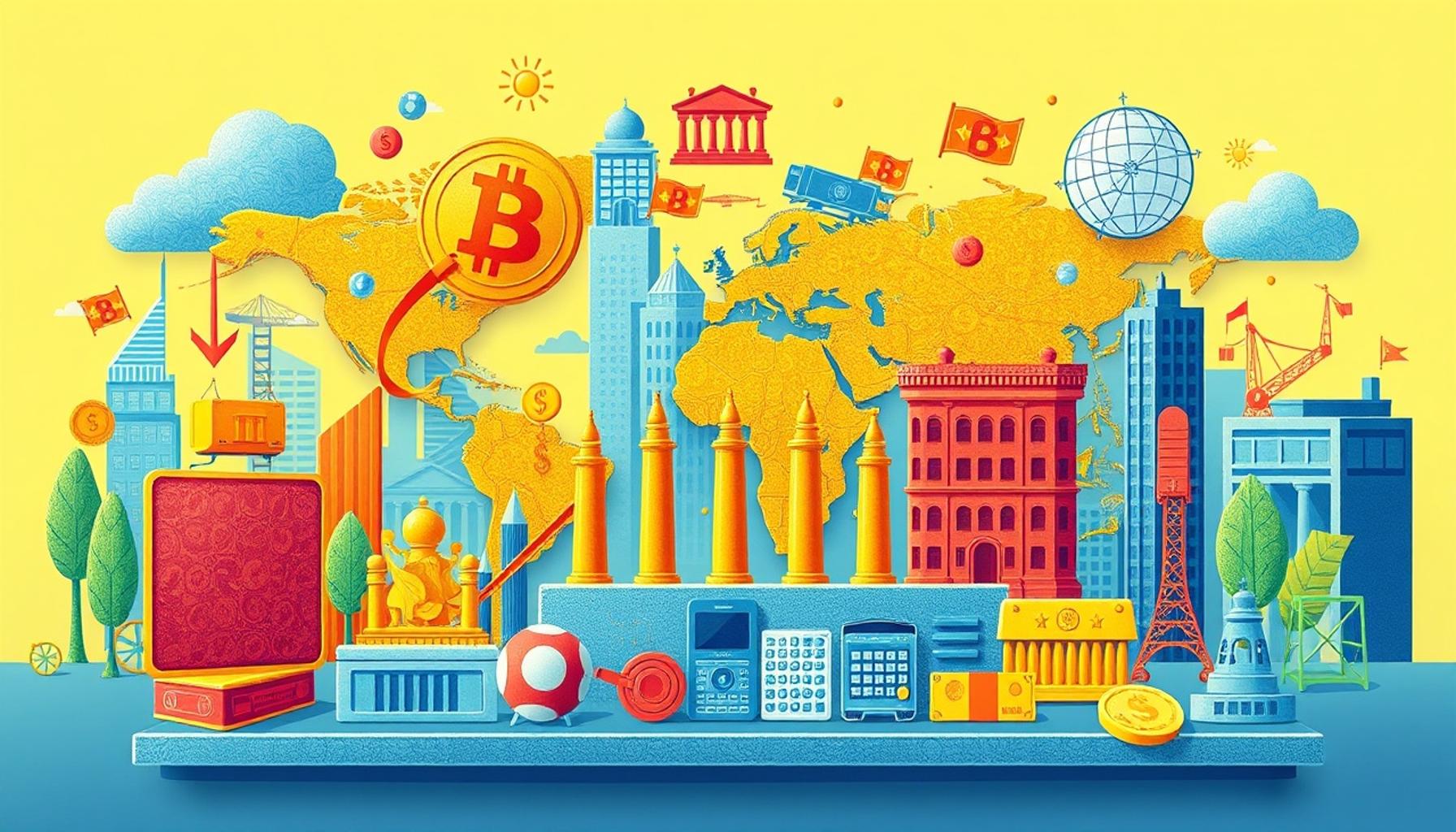
The Future of Global Trade: How Blockchain Can Facilitate the Expansion of Digital Markets

The Transformation of Global Trade
The landscape of global trade is undergoing a significant transformation. With the rise of digital markets, traditional trading methods are being challenged by innovative technologies. One such technology, blockchain, is paving the way for a more secure and efficient trading environment.
Blockchain technology operates as a decentralized and immutable ledger that records all transactions across a network. This characteristic is particularly advantageous in global trade, where trust and security are paramount. By employing blockchain, businesses can ensure that every transaction is traceable and verifiable, which significantly increases confidence among trade partners.
Key Advantages of Blockchain in Global Trade
Here are some key advantages of using blockchain in global trade:
- Transparency: Every transaction is recorded on a public ledger, making it easy to trace the origin and movement of goods. This transparency fosters trust among customers and suppliers, as all parties have access to the same data. For instance, a customer can verify the authenticity of organic certifications for food products by viewing the blockchain documentation.
- Security: The decentralized nature of blockchain decreases the risk of fraud and unauthorized access. Unlike traditional systems that might be vulnerable to hacking, blockchain’s structure ensures that once information is recorded, it cannot be altered without consensus from the network. This is crucial for preventing issues such as counterfeit goods and ensuring that product histories are intact.
- Speed: Transactions can occur in real-time, eliminating delays caused by intermediaries. This is especially beneficial for time-sensitive shipments, such as perishables or urgent supplies. Companies can execute transactions and settle accounts significantly faster, which enhances cash flow and reduces inventory holding costs.
- Cost-efficiency: Reduced paperwork and manual processes can lead to lower operational costs. By automating many tasks that would typically require extensive human effort—from paperwork to payment verification—businesses can allocate resources more effectively and pass savings on to consumers.
For example, imagine a small business in California exporting handmade goods to customers overseas. By utilizing blockchain, this business can streamline transactions, build trust with international buyers, and gain access to wider markets. When a customer places an order, the transaction is recorded on the blockchain, providing both the buyer and seller with immediate access to real-time information about the order status, shipping, and payment. This level of efficiency not only enhances customer satisfaction but can also lead to repeat business.
As we explore the future of global trade, understanding the role of blockchain is crucial. This technology not only enhances the trading process but also shapes the way businesses operate and compete in the digital marketplace. By embracing blockchain, businesses are not just keeping pace with evolving technologies but are also laying the foundation for more trustworthy and efficient trading ecosystems.
DISCOVER MORE: Click here for insights on the future of interface design
The Role of Blockchain in Streamlining Supply Chains
One of the most profound impacts of blockchain technology on global trade is its capacity to streamline supply chains, making them more efficient and responsive. Supply chains in today’s globalized economy can be complex networks involving multiple stakeholders, from manufacturers and suppliers to distributors and retailers. With so many parties involved, maintaining visibility and accountability becomes a daunting task. However, blockchain provides a solution that enhances traceability and coordination across all participants.
Consider the example of a clothing company that sources materials from various suppliers around the world. Traditionally, tracking the origin and journey of each fabric can be a cumbersome process requiring significant paperwork and communication between multiple parties. With blockchain, all transactions—from sourcing raw materials to the final distribution of finished products—can be recorded in real time on a single platform. This leads to the following benefits for supply chains:
- Real-time monitoring: Stakeholders can access the same information instantaneously, allowing for quicker decision-making. For instance, if a shipment of materials is delayed, all parties, including manufacturers and retailers, can see this information and adjust their operations accordingly.
- Reduced risk of errors: By automating data entry and optimizing workflow processes, blockchain minimizes the chances of human errors. This precision reduces misunderstandings regarding order specifics, such as quantities and specifications, thereby improving overall efficiency.
- Accountability: Smart contracts—automated contracts that execute when predetermined conditions are met—help ensure that all parties fulfill their obligations. If a supplier doesn’t deliver on time, transactions can be halted automatically, protecting businesses from reliance on unreliable partners.
- Better inventory management: With real-time data regarding the movement of goods, businesses can optimize their inventory levels. This reduces costs associated with excess inventory and ensures that products are available when customers demand them.
Imagine a large retailer in the United States that relies heavily on imported goods. By implementing blockchain technology, the retailer can efficiently track shipments, monitor supplier performance, and resolve disputes much faster than traditional methods. Additionally, consumers are likely to appreciate the transparency that blockchain offers, such as the ability to know where their products are coming from and ensure they align with ethical standards. This transparency can enhance brand loyalty and improve a company’s reputation, solidifying its position in a competitive market.
The impact of blockchain on supply chains is just the beginning. As businesses learn to harness the technology’s potential, we can expect to see an evolution in how trade is conducted, paving the way for greater innovation and collaboration in the global marketplace. By understanding and adopting blockchain solutions, companies can not only keep pace with the rapid evolution of technology but also place themselves ahead of the curve in the expanding world of digital trade.
DIVE DEEPER: Click here to learn more
Enhancing Trust and Security in Transactions
Another crucial benefit of blockchain technology in global trade is its ability to enhance trust and security in transactions. In an increasingly interconnected world, where businesses operate across jurisdictions with diverse regulations, establishing trust among trading partners is essential. Blockchain addresses this challenge by providing a decentralized and immutable ledger that records every transaction, creating a transparent environment where participants can verify the authenticity of transactions without relying on a central authority.
Consider the case of international trade between a U.S.-based exporter and a foreign importer. In traditional settings, issues such as fraud, disputes over quality, and payment delays often arise, jeopardizing the relationship between buyers and sellers. However, with blockchain, both parties can access a shared record of all agreements and transactions. This transparency fosters trust because every action is recorded, and both parties can reference the same information in case of disagreements.
Furthermore, the integration of cryptocurrencies—like Bitcoin or stablecoins—into blockchain systems adds another layer of security and efficiency to payment processing. These digital currencies enable instantaneous cross-border transactions, reducing reliance on traditional banking systems that may impose hefty fees and lengthy processing times. For instance, a tech start-up in California can pay a software developer in India using a cryptocurrency via a blockchain platform, significantly decreasing the time and cost associated with conventional wire transfers.
Security is another paramount concern in digital transactions. Blockchain technology employs advanced cryptography to protect transaction data from unauthorized access and tampering. Each block in the chain is securely linked to the previous block, creating an unalterable and chronological record of all transactions. This means that once data is entered into the blockchain, it becomes nearly impossible to alter or delete it, creating a high level of data integrity. In the event of a security breach or hack, the decentralized nature of blockchain means that no single point of failure exists, thereby protecting sensitive information.
Additionally, the use of decentralized identity systems on the blockchain can enhance the verification of parties involved in transactions. Companies can create digital identities that assert their legitimacy and track records based on verified credentials, which are recorded on the blockchain. For instance, a logistics company can prove its compliance with safety regulations by presenting a verified digital credential stored on the blockchain, assuring partners that they meet required standards.
The implications of these advancements in trust and security extend beyond mere transaction efficiency. As global markets become increasingly reliant on digital solutions, businesses equipped with blockchain technology will likely enjoy a competitive advantage. By ensuring that their operations are not just efficient but also secure and trustworthy, companies can build stronger relationships with partners and customers alike. As the global economy continues to adopt digital-first strategies, those that leverage blockchain for improved transactional integrity will be well-positioned to thrive in this evolving landscape.
DISCOVER MORE: Click here to learn how to get free clothing on Shein
Conclusion
In summation, the future of global trade is undeniably intertwined with the advancements brought forth by blockchain technology. By providing a decentralized, secure, and transparent framework, blockchain enhances the efficiency and reliability of cross-border transactions, paving the way for a more integrated global marketplace. As we move towards a more digital economy, companies that adopt blockchain will not only achieve a competitive edge but will also foster deeper trust with their partners and customers.
The integration of cryptocurrencies into blockchain systems further accelerates this transformation, enabling real-time payments and reducing the overhead costs associated with traditional banking. As businesses increasingly engage in international trade, the ease of verifying credentials through decentralized identity systems will enhance compliance and assurance among trading partners.
However, it’s crucial to acknowledge that while blockchain presents an array of opportunities, its implementation also demands careful consideration regarding regulatory frameworks and technological standards. As industries navigate these complexities, collaboration among stakeholders—including governments, enterprises, and technology providers—will be essential to create a conducive environment for blockchain’s growth.
Ultimately, the true potential of blockchain in global trade rests on its ability to cultivate a more inclusive and trustworthy ecosystem where businesses can thrive. As we embark on this journey, embracing change and innovation will propel the expansion of digital markets, redefining the landscape of global commerce for years to come.

Linda Carter
Linda Carter is a writer and fashion content specialist who focuses on Shein, online shopping trends, and style discoveries. With extensive experience helping readers explore affordable fashion, understand shopping tips, and make smarter purchase decisions, Linda shares her insights on our platform. Her goal is to empower readers with practical advice and useful strategies to navigate Shein’s offers, discover new trends, and enjoy a more confident and informed shopping experience.